
Scent and Sensibility Why Clean Is Something We Smell

How SC Johnson brands use fragrance to shape mood and the way we experience home
Walk into a freshly cleaned room and something shifts almost instantly. It’s not just what you see: the wiped counter or the cleared table. It’s the air itself. There might be a hint of lemon, a soft linen note or the green brightness of basil.
Before you even think about it, your brain has already registered the signal: the feeling of clean.
Cleaning is usually judged by what we see, like a shining countertop or a spotless floor. But scent often does the real work of telling us a space is clean. Fragrance isn’t just a finishing touch. In many ways, it’s how we recognize a job is done.
Most people can name the smell of the home they grew up in. Maybe it’s pine cleaner. Maybe lemon. Maybe the familiar spray that appeared every Saturday morning. Those scents often linger in memory long after the routines themselves fade.
So why does smell carry so much weight in how we judge cleanliness?
Research helps explain this effect. Studies show that people often judge cleanliness by smell, even more than by sight. Pleasant scents, such as citrus or pine, can make a room feel clean even if it isn’t. Conversely, unpleasant odors can make a spotless space seem dirty. In one consumer survey, 76% of people said the smell of laundry was the main signal the job was done — even more than how it looked.
Over time, those associations build trust. A familiar fragrance becomes a kind of emotional shorthand, connecting a smell with the feeling of a home that has been cared for.
Why One Smell Brings Us Back
Of all our senses, smell is the most closely linked to memory and emotion. Unlike sight or sound, scent signals travel quickly to the parts of the brain that process feeling and recall. These parts include the amygdala and hippocampus.
Scientists sometimes call this the Proust effect. A single smell can unlock a vivid memory almost instantly, bringing back a place, a person or a moment before we have time to explain why.
Cleaning routines tap into this shortcut. The burst of citrus when a counter is cleaned, or the trace of lavender in a towel, does more than hide odors. It strengthens the feeling that a space has been renewed.
In other words, scent often becomes the sensory proof that the work is done.
Designing the Feeling of Clean
If a scent signals that a space feels clean, that cue isn’t accidental. It must be designed. Fragrance teams carefully consider each phase of a cleaning routine: the quick burst of spray, the softer lingering notes or the moment someone returns and senses a change.
Creating those scents is often a process of trial and error. Fragrance designers may test dozens, or even hundreds, of variations. A citrus note might need to register quickly when sprayed. Softer notes may linger after the work is done. The goal isn’t just a pleasant smell. It’s the right sensory signal at the right moment.
That’s why different brands each develop unique approaches to fragrance design.
When Clean Smells Like a Mood
If the idea that scent can create good vibes around cleaning sounds far-fetched, science suggests otherwise. Some research suggests scent influences as much as 75 percent of our daily emotions. This might explain why a scent must do more than smell pleasant. It has to fit into the rhythm of everyday life.
When formulating cleaning products, SC Johnson’s method® treats fragrance as part of a broader form of sensory storytelling. The brand does not treat fragrance just as a mask for odors. Instead, it designs scents that match the moods people want in their homes. For example, on its website, method organizes products through a color wheel. This lets people choose soaps or sprays based on the feeling they want to create, from energizing routines to calm moments at the end of the day.
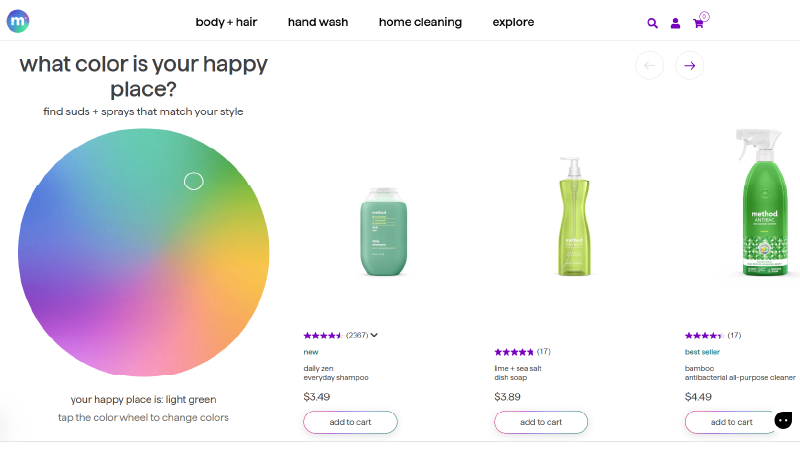
That approach draws on aromachology, the study of how scent interacts with the brain’s limbic system. This system processes memory and emotion. Certain fragrance families reliably evoke specific responses. For example, lavender is often linked with relaxation. Citrus notes tend to create a feeling of brightness and clarity.
However, matching mood isn’t the only way fragrance designers influence our sense of cleanliness.
When Clean Smells Like the Garden
Some brands take a different approach, drawing on the sensory memories people associate with nature.
SC Johnson’s Mrs. Meyer’s Clean Day® brand is based on garden-inspired scents. The idea is simple: many of the smells people link with comfort and care come from nature. Think of herbs in the kitchen, flowers in the yard or the green freshness of a garden after rain.
Rather than abstract fragrance names, Mrs. Meyer’s uses plant references like Basil, Geranium and Honeysuckle. These cues help people recognize a scent right away. They often evoke memories tied to seasons, outdoor spaces or time in the garden.
The approach also draws on principles from aromatherapy, using essential oils traditionally linked with specific emotional responses. Lemon verbena is often associated with brightness and uplift, while lavender has long been connected with relaxation.
Mrs. Meyer’s treats fragrance as something that marks the rhythm of a home over time. Seasonal collections introduce scents that mirror the changing year. Spring brings fresh florals; autumn brings warmer notes. These create small sensory markers that the seasons have shifted.
Many households also use a favorite fragrance across multiple products, from hand soap to laundry detergent. Over time, that scent becomes an olfactory signature. It provides a familiar smell that quietly signals comfort and consistency throughout the home.
The Feeling of Clean
For nearly 70 years, SC Johnson has studied how scent shapes people’s experiences at home. Behind every fragrance is a balance of science and storytelling. The company works to understand how certain notes trigger memory, signal freshness or simply make a space feel more comfortable to live in.
The goal isn’t to overpower a room or chase constant novelty. It’s something quieter and more enduring: creating fragrances that feel authentic to everyday life, scents that fit naturally into the rhythm of cleaning and living at home.
In the end, clean isn’t just what you see on a countertop or floor. It’s what you feel when you walk into a room that smells like home. The work is done. The space feels fresh.
And sometimes, a hint of fragrance pulls you back to a simpler Saturday morning.