
From Urgency to Action: What’s Next for the Global Plastics Treaty

The latest talks ended without an agreement, but collaboration continues as countries work through the details of turning ambition into action.
We all see it — the plastic that once wrapped our food or held our drinks, now littering our neighborhoods, parks and oceans. Everyone agrees it’s a problem that demands action, but agreeing on how to fix it? That’s where things get complicated.
The plastic waste crisis is one of those rare issues that unites the world in concern but divides it in response. That contradiction has defined the Global Plastics Treaty negotiations, an ambitious yet still-unfinished effort to create the first legally binding agreement covering the entire life cycle of plastic, from production to disposal.
When the idea was first introduced, it felt like a breakthrough. Plastic pollution doesn't stop at borders, and neither should the solutions. What's produced in one country can wash up on another's shore. Microplastics are being found in the environment, the food we eat and even in our bodies. The idea of a global treaty carried a rare sense of possibility that the world could finally design a system that works for both people and the planet.
But optimism alone doesn't make policy. Since the first round of talks in Uruguay in 2022, the negotiations have drawn thousands of delegates from nearly 180 nations, each arriving with the same goal but very different maps for how to get there. Each of the six rounds held so far has carried the same question: can shared urgency lead to shared action?
Achieving Consensus: A safeguard and a stumbling block
Under United Nations (U.N.) rules, every country involved in the plastics treaty must agree before it can move forward. That's both its strength and its weakness. Consensus gives every nation a voice, but it also means any one of them can hold up the process. And as the treaty text began to take shape, the early sense of unity began to fracture.
One of the most significant divides was over production limits or caps. High-ambition countries that support a robust, international and legally binding agreement argued that cutting new plastic production is the only way to reduce waste meaningfully. Producer economies pushed back, concerned that strict caps could threaten jobs and access to affordable goods.
Another disagreement centered on certain chemical additives that make plastics more durable or flexible, but also raise environmental and health concerns. Some nations wanted a global list of chemicals to ban written directly into the treaty. Others preferred to rely on their own national frameworks, worried that a one-size-fits-all approach could clash with domestic law or stifle innovation.
Finally, there was the question of financing. Developing countries emphasized what's often overlooked: you can't manage plastic waste without basic infrastructure. Roughly two billion people still lack access to regular household waste collection services. Without funding, plastic waste will continue to flow into rivers and oceans at a faster rate than cleanup efforts can keep up with. The debate was not about whether to fund it, but how and who would oversee it.
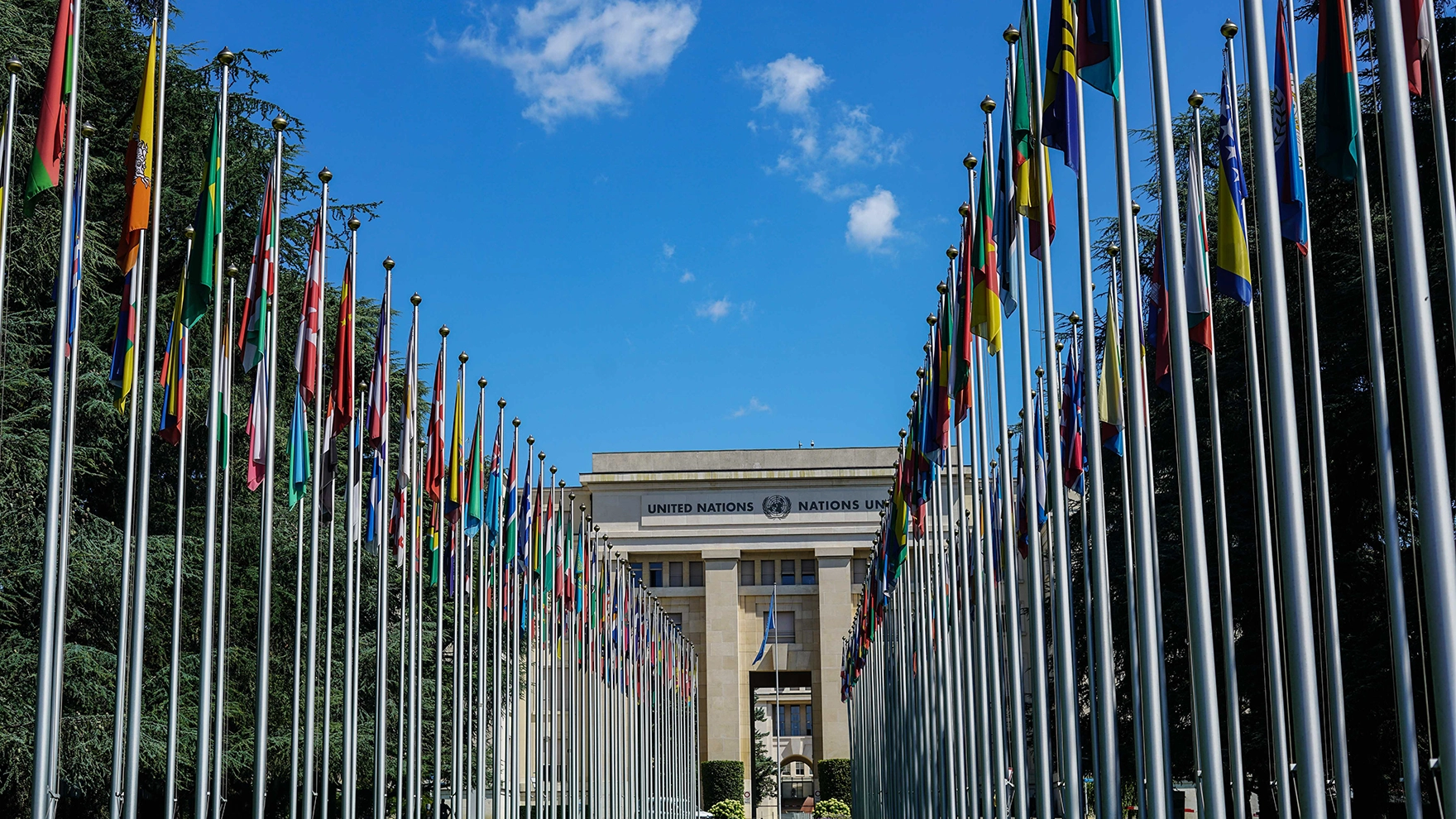
By the time delegates met again in Geneva in August 2025, those tensions had hardened. After nine days of negotiations, nearly all countries rejected the latest draft. Many argued that it fell short of the original mandate to "end plastic pollution" by failing to address the entire life cycle of plastics.After two years of intense debate, the world left Geneva without a deal.
Charting the path forward
No one left under the illusion that a delay in reaching an agreement is harmless. With plastic production projected to triple by 2060 if current trends continue, every year without a global framework makes the issue more challenging to solve.
However, while much of the treaty text remains formally "bracketed," meaning unresolved, that doesn't necessarily mean the negotiating process has failed. Instead, it has clarified where decisions are still needed. At this stage, the challenge is less about refining language and more about designing a structure that can turn ambition into action.
Now, attention turns to what comes next. The U.N. Environment Programme has confirmed that the third part of the fifth session (INC-5.3) will reconvene on February 7, 2026, in Geneva, Switzerland. This one-day meeting will focus on appointing a new secretariat, following the previous secretariat’s step down, and re-establishing the administrative footing for the negotiations.
What happens after that will determine whether the process continues. A country will need to volunteer to host the next full negotiating session (likely in the fall of 2026). Governments will need to agree that negotiations should resume, with some assurance that the process will look and be conducted differently. The new secretariat will play a central role in outlining that path forward and setting expectations for how the next phase of work will unfold.
At the same time, some countries may explore how to align the treaty with existing global frameworks, such as the Basel and Stockholm Conventions, if the INC process continues to stall. At the same time, there's also potential for renewed discussion of a "coalition of the willing," a group of high-ambition countries that could move forward with voluntary commitments in parallel to the U.N. process. These efforts wouldn't replace the treaty, but they could keep momentum alive while the broader negotiations continue.
A Reason for (Cautious) Optimism
Reaching a strong, enforceable plastics treaty was never going to be easy. It asks the world to rethink nearly every step of how plastics are made, used and discarded across industries, economies and political systems. That scale makes the process slow, imperfect and often frustrating.
However, it also underscores one key point: no single government, company or community can solve this problem alone. Ending the plastic waste crisis will take everyone — businesses, policymakers, NGOs and everyday people — working together to move from awareness to advocacy and from urgency to action.
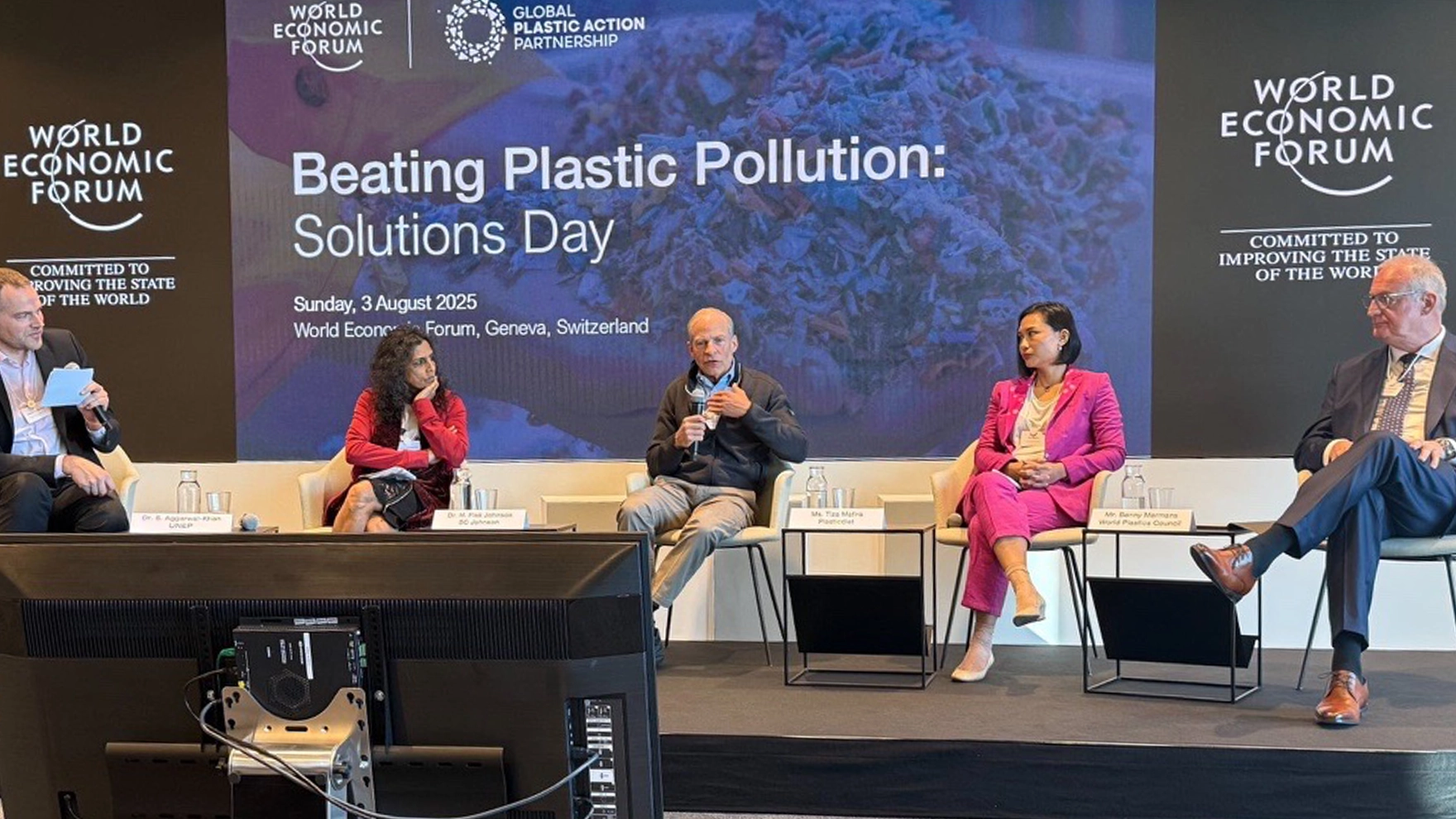
SC Johnson is part of that collective effort, using its voice to help shape systemic solutions, contribute to U.S. congressional hearings and engage in forums such as the U.N. Oceans Conference and the U.N. General Assembly. Alongside the World Wildlife Fund (WWF), SC Johnson is also working to strengthen product design rules and push for extended producer responsibility (EPR) legislation by 2030. At the same time, public initiatives such as the Zuzu campaign and storytelling partnerships with Rainshadow Films are helping to bring these complex issues to life. Each of these efforts helps connect people to the issue in a personal way, turning awareness into momentum and momentum into change.
And while the next steps of the negotiations remain uncertain, it’s worth taking a moment to acknowledge the scale of what’s unfolded so far. For the first time, countries are approaching plastic pollution as a systemic issue tied to health, equity and the structure of global production rather than as a waste problem alone. That shift in understanding is an achievement in itself.
Progress at this scale rarely happens in a single leap. Each negotiating session has clarified where countries agree, where they diverge and what kind of architecture a future treaty would require. In that sense, INC-5.3 is more than a placeholder; it represents the next step in transitioning from process to planning, and ultimately from planning to decision-making.
For now, the world doesn't have a final agreement, but it does have direction. Shared urgency is still there. So is the belief that collaboration, even when messy and slow, can outlast division. That’s what keeps the possibility alive that the plastic waste crisis is not a fixed reality, but a challenge that can still be solved.