
EPR: The 411 on Extended Producer Responsibility policy
What EPR is and what it means for you.

Plastic waste is a problem that we all see everywhere – on pavements, in parks, along rivers and even in our oceans. While many of us are doing what we can, like recycling at home and choosing reusable, refillable or bulk options, the problem persists. That’s because the system behind recycling and waste collection was never built to handle the amount of plastic being produced today.
That’s why we support stronger policies like Extended Producer Responsibility, or EPR. You may not have heard of it yet, or if you have, you may not quite understand how it works, but it could be one of the most important tools we have to prevent plastic waste from ending up in the environment.
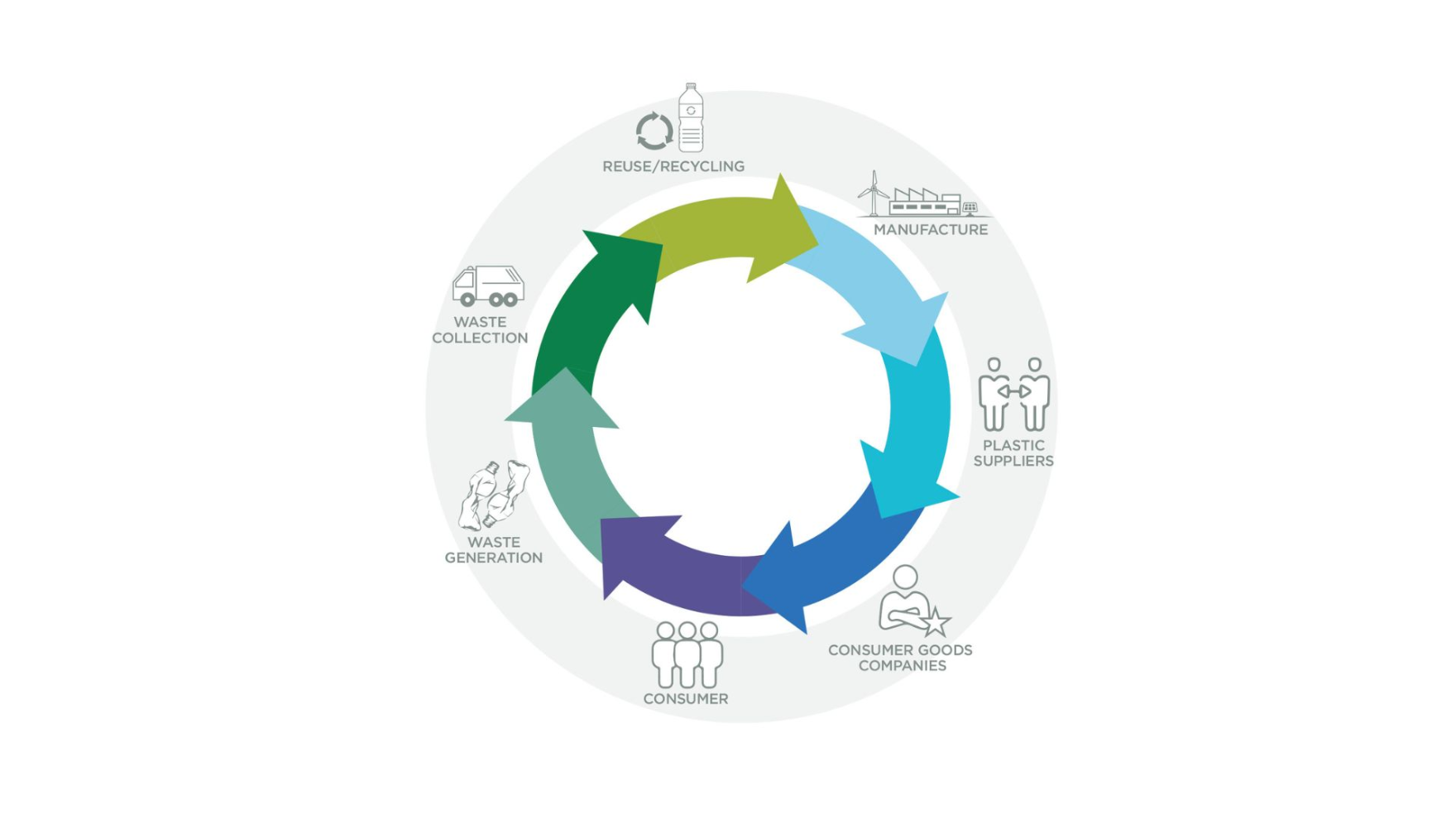
So, what is EPR all about? Let’s break it down by answering some of the most common questions:
What even is EPR?
Because plastic is everywhere, and the current recycling system is not working. Even if you recycle everything you are supposed to, a lot of it still ends up in landfill – or worse, the ocean. That is because:
- A lot of packaging is not actually recyclable in practice
- There is no nationwide system for recycling in the US
- Cities are too underfunded and overwhelmed to properly recycle
A. In short, more sustainable options for the products you use every day. With good EPR laws in place, you would start seeing:
- More products in refillable or recycled packaging
- Less confusing recycling rules
- More confidence that what you put in the recycling bin is actually recycled
The responsibility shifts to businesses when EPR programmes are implemented, so companies will be required to pay more to design more innovative packaging and support recycling systems. Some may pass that cost on to consumers, others may not. But here is the hopeful part: EPR can create a level playing field, allowing companies to compete on innovative design and sustainable materials, rather than on who can produce the most at the lowest cost. In the long run, this could lead to lower costs.
A. Many places around the world either have or are working towards EPR programmes. A few examples:
- Canada’s British Columbia has a province-wide EPR programme — and it works. Nearly 80% of the packaging there is recovered and recycled.
- Colorado, California, Oregon and several other US states have passed EPR laws and are rolling them out. SC Johnson is one of the companies actively pushing for this across the US.
A. Glad you asked! You can:
- Sign petitions to support smart recycling laws (like EPR)
- Write to your representatives – they really do listen
- Buy products with recycled or refillable packaging
- Check your local recycling rules so you are not “wishcycling” (when we throw things into the recycling bin and cross our fingers that they are actually recycled, such as used pizza boxes or plastic bags)
- Talk about it: tell your family, friends or share a post
The Bottom Line
EPR is a behind-the-scenes policy that could have a big impact on what you see in stores, how your recycling works and how much plastic ends up in the environment. It is not a silver bullet, but it is an effective, fair and practical way to fix a system that is not working, and one that puts all of us – consumers, companies and governments – on the same team.
Have more questions about EPR? Visit www.blueparadox.com and drop us a note.