
Clean Break: How Handwashing Stops Illness Before It Starts

New guidelines from the World Health Organization promote one small habit that protects health everywhere you go.
You touch a lot of stuff every day: things like light switches, coffee makers, petrol pumps, shopping trolley handles and your phone. One estimate puts the average person’s daily contact with objects at about 140 per day. Each time is a chance for germs to hitch a ride. Bacteria and viruses, such as cold and flu, can survive on surfaces for hours or even days, meaning every touch is an opportunity to move them somewhere new.

That is why, if we learned anything from the pandemic, it is that handwashing matters. It is one of the simplest, most reliable ways to protect yourself and the people around you from getting sick. And yet, most of us do not give it much thought, even though it can be the difference between bringing germs home and leaving them behind.
On average, hands can carry more than 3,000 different germs at once, making it easy to infect yourself by touching your eyes, nose or mouth. How easy? Touch your face – something one study found people do about 23 times per hour – and you have created a direct path into your body.
However, while proper handwashing is quick and easy, it is an act that is also easy to skip. That is a problem, because clean hands do not just keep you healthy at home. They make a difference in almost every space we move through each day.
The Ripple Effect of Handwashing
Handwashing has a bigger role in more settings than most of us realise. It shapes outcomes in every environment in which we live, work and gather. The World Health Organization (WHO) estimates proper hand hygiene could prevent millions of illnesses every year, from infections caught in hospitals to colds spread around classrooms and workplaces.
School classrooms and nursery facilities are perfect germ amplifiers. Kids share toys, supplies and spaces, which means they also share germs. Offices are not much different; the coffee machine, the lift button and the conference room table all see dozens of hands a day. When handwashing slips, the result is the same: more sick days, more missed classes and outbreaks that ripple through entire families.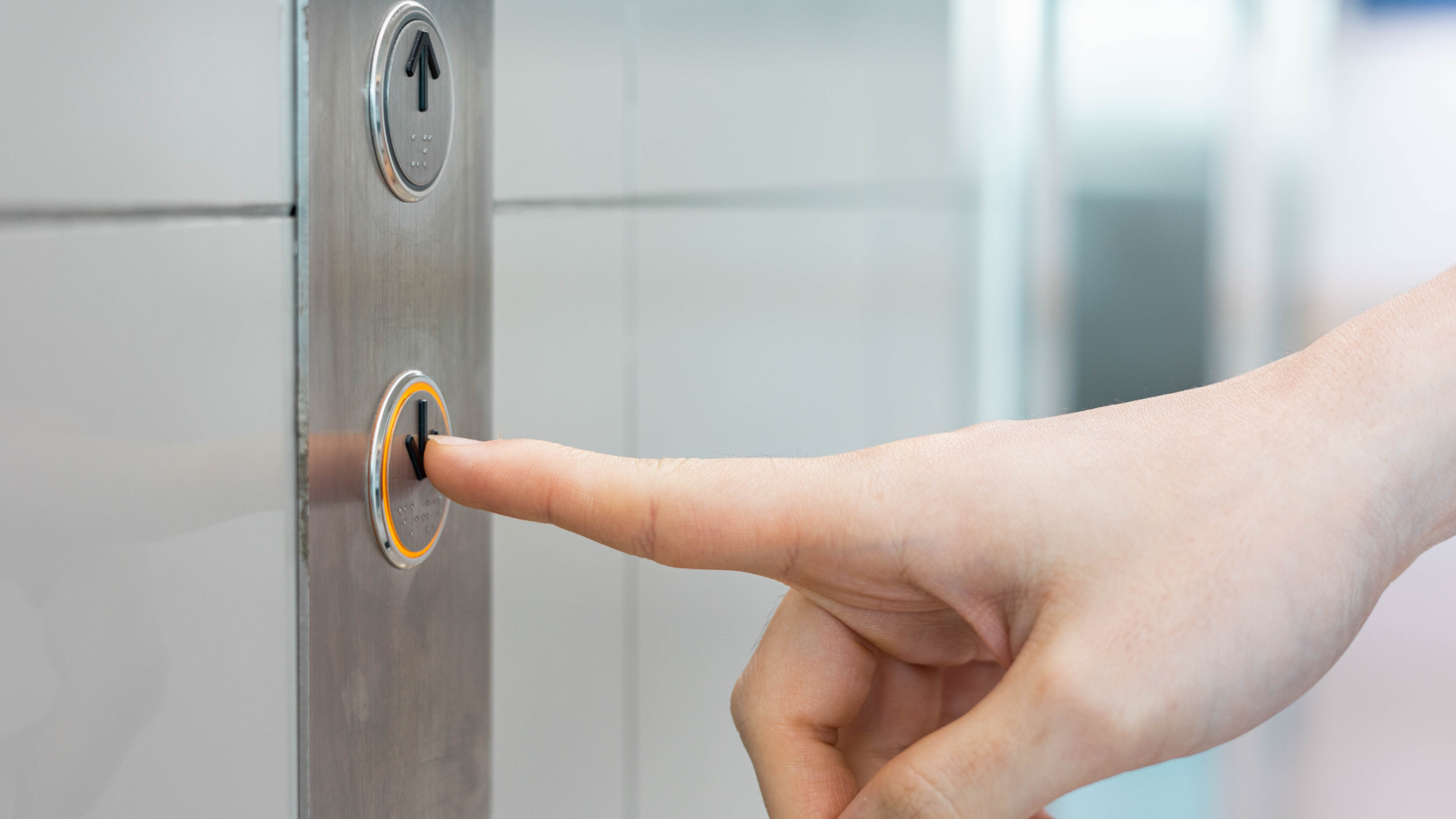
The fact is, anywhere people circulate in large numbers, such as workplaces, airports, gyms and supermarkets, germs can spread quickly. Each trolley handle, treadmill or touchscreen is another handoff point for germs to move from one person to the next. Washing your hands is the simplest way to interrupt that chain, no matter where you are.
The Science Behind the Habit
Handwashing works because it removes the oils, dirt and germs your skin collects. On a purely physical level, this is due to friction plus some basic chemistry.
Soap is a surfactant, which means it breaks down the oils and dirt on your skin. It breaks apart the fatty outer layer of microbes, like prying open a shell. Then the friction from rubbing your hands loosens the germs and water washes them away down the drain.
To get your hands clean, the WHO recommends at least 20 seconds of lathering, which is about the length of humming your favourite song chorus. Research shows 5 seconds of washing removes about 98% of bacteria, while 20 seconds removes over 99.5%. Beyond that, the benefits level off, and scrubbing for too long can actually irritate skin and disturb its natural bacteria.
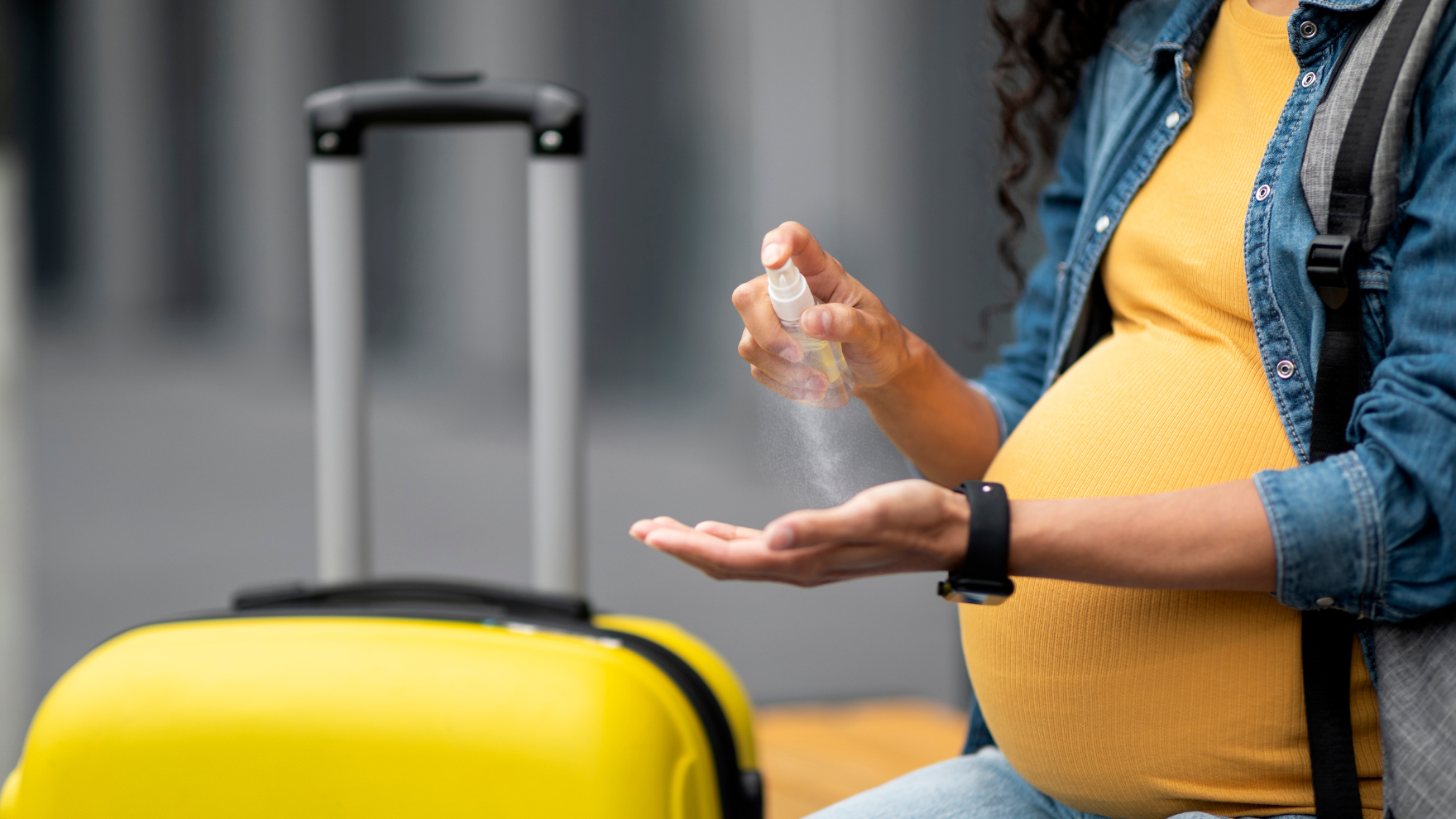
When access to soap and water is not possible, alcohol-based hand rubs are a safe and effective alternative. They can remove most harmful germs when hands are not visibly dirty, making them especially useful on the go in offices, airports, classrooms or anywhere running water is limited. Keeping sanitiser nearby makes it easier to stay consistent, even when a sink is not in sight.
 New WHO Guidelines for Hand Hygiene in Community Settings
The World Health Organization’s new guidelines highlight that hand hygiene is not just a personal habit – it is a public health responsibility. Governments, institutions and communities all play a role in making it easier for people to keep their hands clean.
At the heart of the guidance is a simple truth – effective hand hygiene depends on three things: materials, information and environment.
- Access to materials: reliable access to soap, clean water or alcohol-based hand rub whenever needed.
- Access to information: clear communication on why, when and how to clean hands, including the five key times:
- Before preparing food
- Before eating or feeding/breastfeeding others
- After using the toilet or disposing of waste
- After coughing, sneezing or blowing your nose
- When hands are visibly dirty
- A supportive environment: physical spaces should make hand hygiene easy and inviting. Social norms and reminders in schools, offices and homes help make clean hands a shared expectation, not an afterthought.
The WHO also reinforces that using an alcohol-based hand rub is an effective alternative when hands are not visibly dirty, ensuring that clean hands are possible even in low-water settings.
Spreading Awareness, Sharing Expertise
Even knowing the science, many people cut corners when it comes to handwashing. Studies have identified a range of obstacles that stand in the way. We are in a rush to get out the door. Sometimes, sinks, soap or towels are not available (a persistent barrier in schools and workplaces worldwide). Other times, we fall into a quick rinse ‘feels good enough’ habit, even though it leaves most germs behind.
However, the consequences of skipping add up. Research from the US Centers for Disease Control and Prevention (CDC) shows that regular handwashing with soap can prevent about 20% of respiratory infections (like colds) and 30% of diarrhoea-related illnesses (like norovirus). What feels like saving a few seconds can turn into a chain of illness that affects dozens of others.
The new WHO guidelines for hand hygiene in community settings are universal, but following them every day requires reminders, education and access. That is where organisations and companies like SC Johnson step in.
For example, programmes like SC Johnson’s Happy Hands Contest turn hygiene into something students actively engage with by asking them to design soap dispensers, making the habit of handwashing visible and memorable. Lessons learned in the classroom often carry home, helping to reinforce handwashing for entire families.
An often-neglected aspect of hand hygiene is the risk of touching surfaces or objects that can recontaminate hands after washing. Combining the cleaning and disinfecting of high-touch objects and surfaces with effective hand hygiene at critical moments can help to break the cycle of recontamination.
SC Johnson incorporates this dual approach through its Targeted Hygiene Programme, which brings together essential hand and surface hygiene products with practical education tools. The programme helps people focus on the moments that matter most, improving common hygiene practices with a clear understanding of how germs spread and how simple, targeted actions can stop infections in public spaces before they start.
From factories to office buildings, providing practical tools and skin care solutions helps people build consistent hand hygiene habits. The idea is to reinforce the science, supporting the new WHO guidelines on hand hygiene in community settings in action and helping people make a simple choice that keeps them and others healthier.
A Simple Habit with Big Impact
The new WHO guidelines on hand hygiene in community settings are straightforward because they do not need to be complicated. One small act, repeated consistently, interrupts the spread of germs in hospitals, classrooms, offices and public spaces.
The real power of handwashing is not in the seconds it takes. It is in the ripple effect that follows. Each time you stop germs at the sink, you protect the next person you touch and the next place you go. That chain reaction can mean fewer infections in schools, fewer hospital complications and healthier communities overall.
When we make handwashing second nature, we turn an ordinary habit into an extraordinary shield. Small choices, done often, do not just add up; they multiply, creating a cleaner, healthier world