
Uh oh. That Black Plastic in Your Recycling Bin Probably is not Actually Being Recycled

If you put plastics in your recycling bin, you count on the fact that they are being recycled, right? Unfortunately, there is a chance that one type of plastic is ending up in landfill instead: black plastic.
How is black plastic different from other plastic?
It is not that it is not recyclable. Black plastic can be recycled to make other dark-coloured plastic items. Unfortunately, a lot of black plastic is undetectable during automated recycling processes. So while you may put it in your recycling bin, it ends up in landfill instead.
The problem happens when your recyclables reach a materials recovery facility (MRF) for sorting. Many MRFs now use near-infrared technology to scan items as they travel down the recycling belt and sort them into categories for proper handling.
Near-infrared scanners do not “see” carbon black, the most common pigment used for dyeing plastic black. As a result, these items typically get skipped. They continue down the belt rather than being diverted for recycling.
Well, can I not just avoid black plastic?
You can try, but black plastic is pretty common. Open your kitchen and bathroom cabinets and spend a few minutes taking an inventory. You might be surprised at how many black plastic items you will find!
Sometimes it is not the entire package, but a black cap, sprayer or tray. From cosmetic packaging to condiments, deli trays to takeaway containers, black plastic continues to be used across many types of products.
And, unfortunately, whenever packaging has black plastic parts, they can lead to recycling challenges.

But there must be a solution, right?
There is! As part of its “Golden Design Rules” for optimal plastic recycling, the Consumer Goods Forum has identified undetectable carbon black as a problematic plastic to remove from packaging.
Companies like SC Johnson are already making great progress on minimising the use of carbon black plastic. Instead, more recyclable materials are being used, creating a more circular economy for plastic.
You can help too. While you typically cannot tell which black plastic has carbon black pigment, you can advocate for less carbon black plastic and make sure any black plastic you use does not end up in landfill.
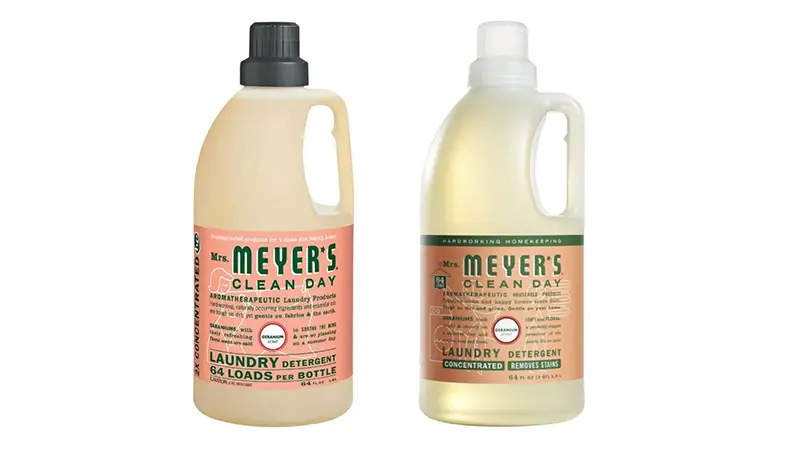
Here are some easy steps you can take…
- Choose products that are packaged in clear or light-coloured plastic, so you know they are easily recyclable. Tell your favourite brands that is your preference too.
- Skip restaurants that use black plastic containers for leftovers. Talk with them about changing to cardboard containers instead.
- Use wood or metal utensils for takeaways and say no to black plastic knives, forks and spoons.
- Do not put black plastics in your kerbside recycling bin unless your local recycler says they are accepted. Try to reuse or repurpose if you cannot avoid buying them.
- Check with your local recycler to see if they have a separate process for black plastic. You may be able to turn it in for recycling if you have sorted it from other items.

Terms to know
While black plastic can be recycled, the reality is that most is not because it is not detected when it goes down the sorting belt at the recycling facility.
The scanning technology commonly used to sort plastic items for recycling. It works by quickly analysing how light is reflected by different materials.
One of the most commonly used pigments for dying packaging black, carbon black is not recognised by the near-infrared scanners used for sorting recyclables. They do not “see” carbon black, so the plastic is not sorted.
Because black plastics are often skipped during sorting, they end up in landfill rather than being recycled. The latest data from the US Environmental Protection Agency reports that in 2018 nearly 25 million tonnes of plastic ended up in landfill.1