
Beyond Recycling, You Make an Important Impact When You Buy Recycled, Too

It is such a satisfying feeling to fill the recycling bin and know that you are helping give used packaging another life. But did you know you can do even more?
You can be part of the circular economy
You have probably heard people talk about the “circular economy”. At its simplest, it is the opposite of single use. Instead of using resources to make something that is used and then thrown away, in a circular economy, materials stay in use for as long as possible through reuse and recycling.
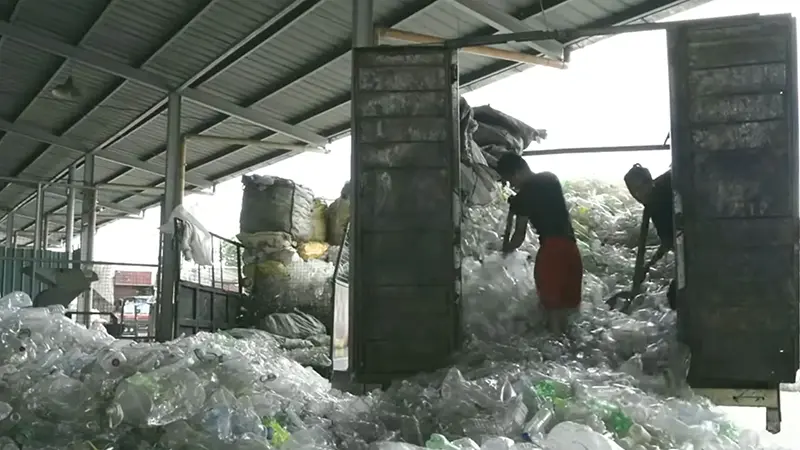
One easy way you can participate is by buying products that are packaged in recycled materials. Post-consumer recycled plastic, also known as PCR plastic, is made from items that consumers like you recycle every day, like plastic bottles.
This means that rather than going to landfill, these items get a second life.
But is PCR plastic as good as virgin plastic?
It is! PCR plastic is as effective as new plastic in terms of its strength and the protection it provides for the products inside.
Because PCR plastic is made from a mix of cleaned recyclables, it does not always come in as many colours or have the clarity of virgin plastic, but that is a badge of honour, not a drawback!
Plus, there are benefits beyond the package itself. The US EPA points out that recycling plastic also saves energy. Recycling just 10 plastic bottles saves enough energy to power a laptop for more than 25 hours.1
What if you cannot find items with PCR packaging?
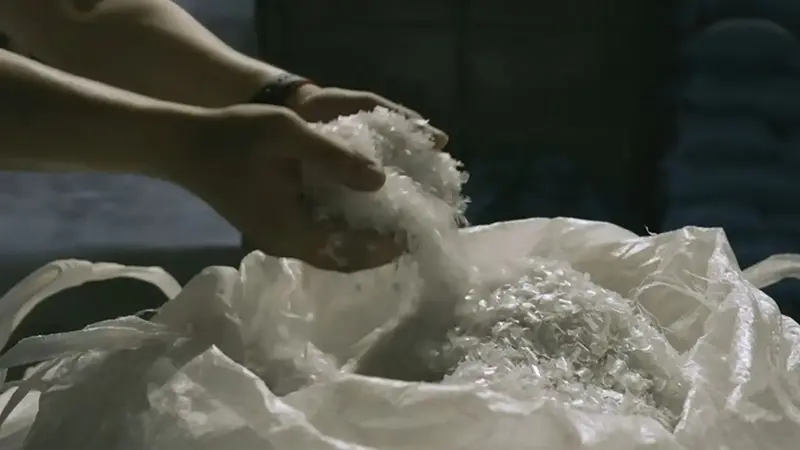
One of the challenges of creating a circular economy for plastic is that recycling rates are still disappointingly low. This means PCR materials can be harder to find and may be more expensive than using new plastic.
That is where your shopping habits make an impact.
- When you buy brands that use PCR packaging, it tells companies that there is demand for those packaging options.
- The more brands that choose PCR, the more packaging producers will want to offer PCR options.
- The more PCR packaging the packaging producers sell, the more recyclers will need to recycle to meet the demand.
The cycle kicks in, the PCR supply chain gets cheaper and more efficient, and ultimately there is a thriving economy where everyone involved in the creation of recycled products benefits. Not to mention the planet!
Here are easy actions you can take to help…
- Choose products that are packaged in recycled plastic, so you are supporting the circular economy.
- Tell your favourite brands that you want more PCR content in the packaging they use.
- Recycle everything you can to help provide the materials needed to keep the recycling supply chain thriving.
- Recycle items made from PCR materials too; many can be recycled and that helps keep the cycle going even longer.
Terms to know
Post-consumer recycled, or sometimes post-consumer resin when referring to plastic. This is plastic that is made from recycled materials, typically PET or HDPE items such as bottles and milk containers.
Post-industrial recycled, or sometimes post-industrial resin when referring to plastic. This is plastic that is made from scrap generated during manufacturing processes – for example the manufacture of plastic bottles or aluminium cans – which is collected, re-processed and reused.
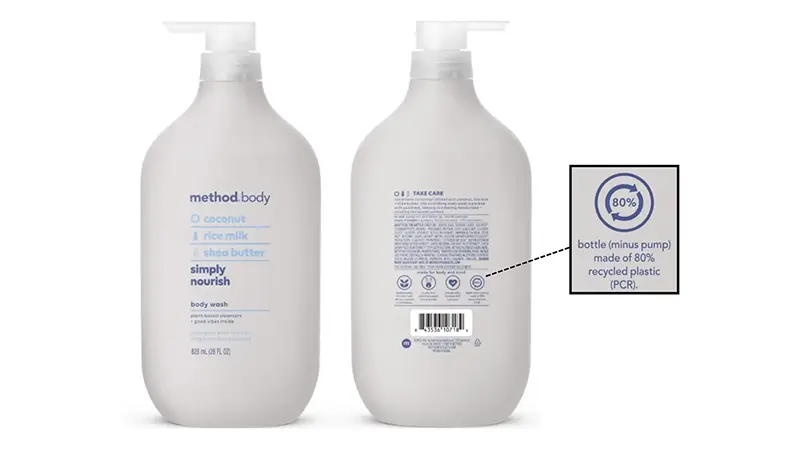
Packaging can be made with a range of recycled content, from 10% to as much as 100%, with the rest coming from new, or virgin, plastic. The higher the percentage of recycled content, the more virgin plastic is being saved.